

OUR ROOTS
Hune's Story
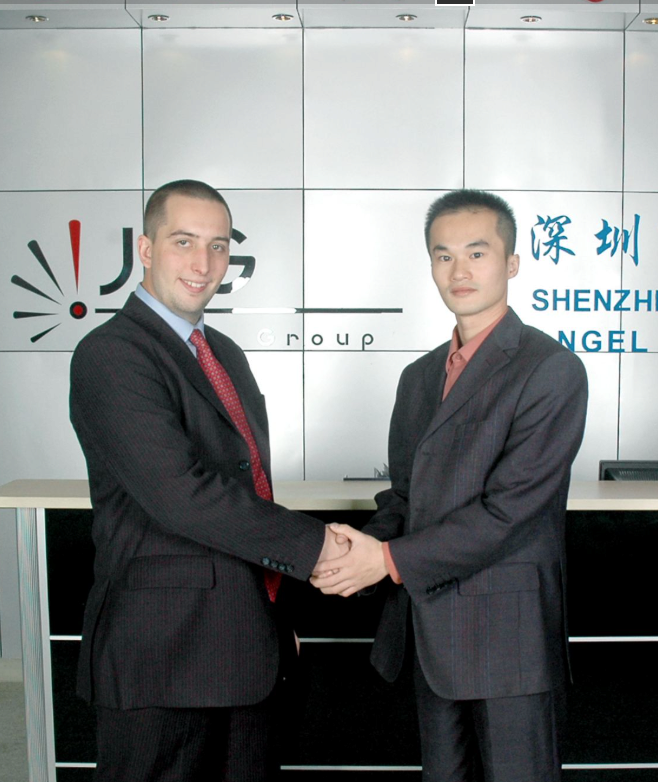
2008
China. The origin of the responsible supply chain
At 21, after losing all his capital at customs, Dino Zweig traveled to China with a suit, a one-way ticket, and no contacts. His only strategy: to negotiate face-to-face with suppliers until he found one he could trust.
There he met Michael. From that first conversation, a friendship was born that now spans 18 years, along with a deep knowledge of the Chinese market, mastery of the business language, and direct access to audited factories.
That relationship is the foundation of HUNE's current supply chain. We manufacture without intermediaries, in certified plants under social responsibility standards, choosing suppliers who earned their position through years of working together.

Sri Lanka
Sri Lanka — The question and the "why not?"
Years later, with an electronics business grossing millions supplying major brands in Latin America and Europe, Dino felt an emptiness that success couldn't fill.
Sitting by a lagoon, a friend asked him, "Are you happy?" The answer was no. That question set him in motion.
On the last day of a business trip in China, he saw a T-shirt with the label "Made in Sri Lanka." He bought a one-way ticket for the next day. No plan, no contacts.
In Weligama, he met Ama, a surf instructor who had lost his mother in the 2004 tsunami and dreamed of opening a hostel in his parents' house. No money, no bathrooms, no plan.
Instead of looking for reasons to help him, Dino asked himself: "Why not?" That shift in questioning—stopping looking for reasons to do something and starting to look for reasons not to do it—became a way of making decisions that today defines HUNE. That's why we bear the extra cost of recycled materials. That's why we get certified before it's mandatory. That's why we plant trees when we could just be selling headphones.
From that trip, the philosophy Somos Naturaleza (We Are Nature) was born.
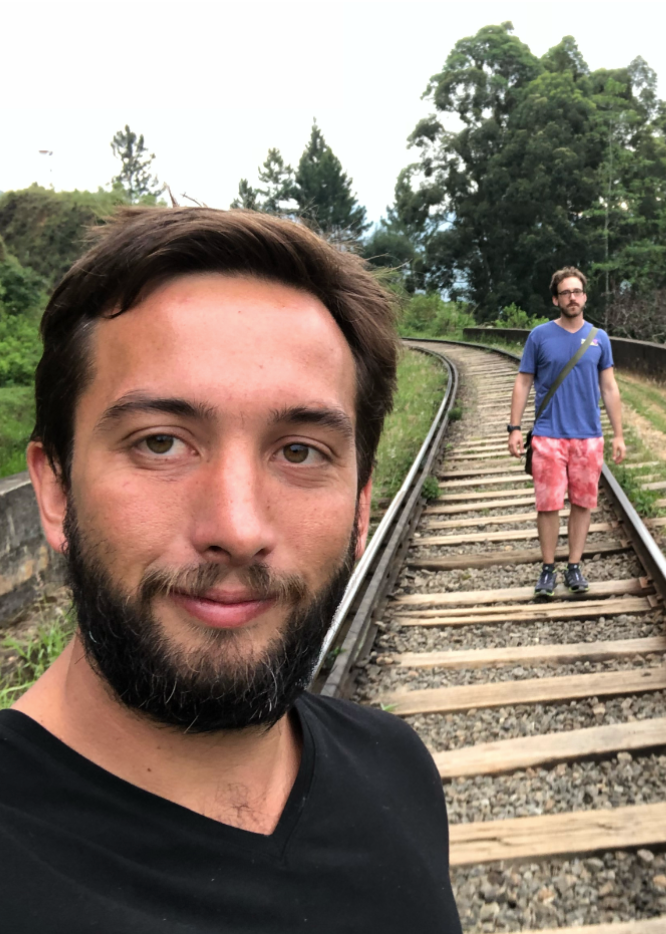
IKIGAI
The Method: Buenos Aires, Vipassana, and Ikigai
Back in Argentina, Dino became involved with NGOs in low-income neighborhoods and began studying social entrepreneurship: Muhammad Yunus and the Grameen Bank, the Patagonia model, the story of TOMS. He understood that a business could be a tool for transformation if it was designed to be so from day one.
He returned to Sri Lanka. He completed a ten-day silent retreat following the Vipassana practice. The conclusion he drew was a short sentence:
"What I feel, what I think, what I say, and what I do must be aligned."
This idea, that incoherence is what breaks people and companies, became the operating principle for everything that followed.
Walking along the train tracks with a friend named David, Dino heard for the first time the Japanese concept of Ikigai: the intersection between what you love, what you are good at, what the world needs, and what you can be paid for. From this came the name IKIKAI (IKIGAI + KAIZEN), the group that today houses HUNE.
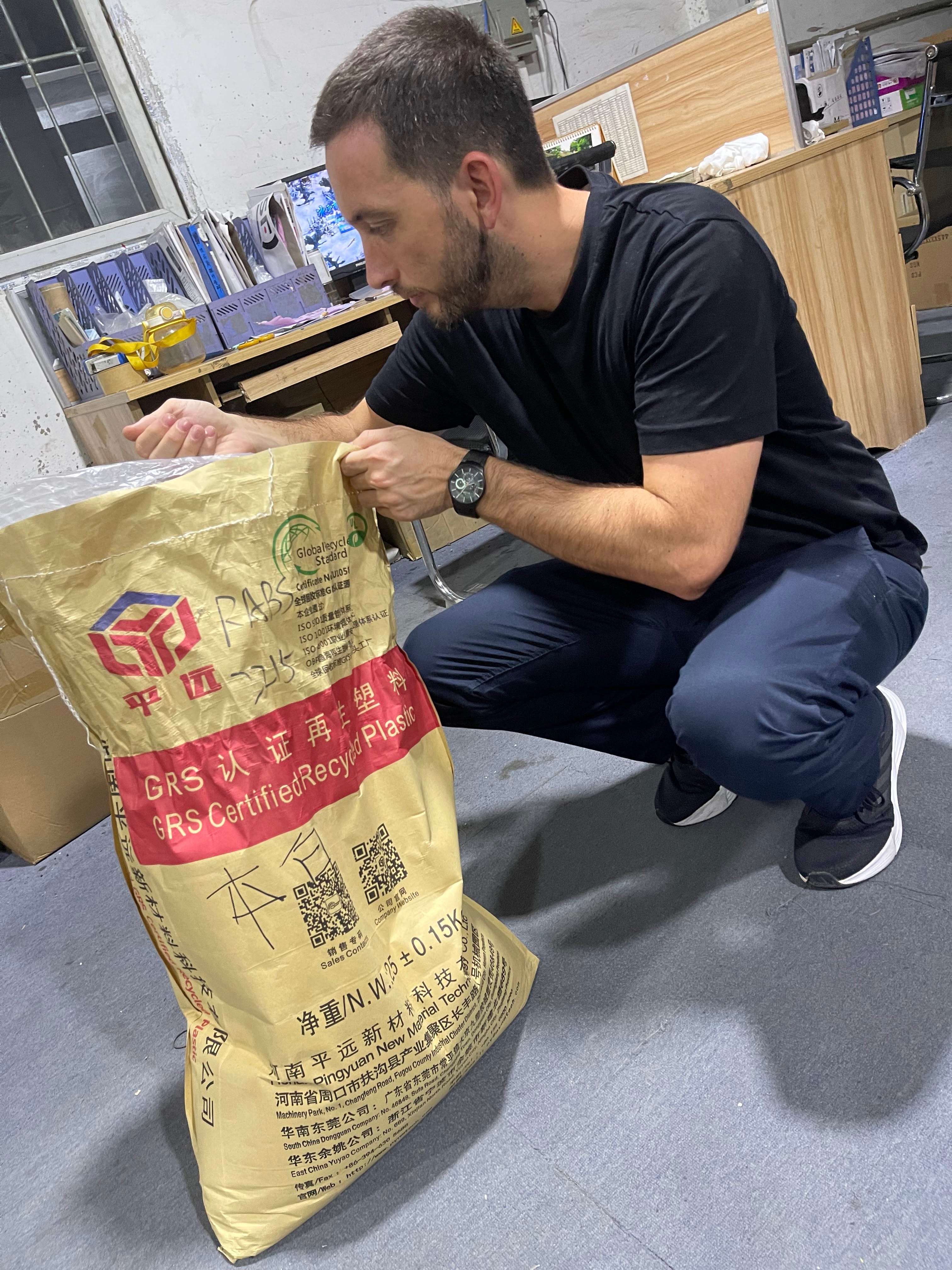
2018
HUNE is Born
With IKIKAI, Dino tried to transform the business from within. Ecodesign, recycled materials, certifications, FSC packaging. The methodology was Design for Sustainability, applied radically.
But many private label clients did not accept the changes. The extra cost, new processes, traceability commitments. The reasonable thing to do, from a short-term calculation, was to backtrack.
In 2018, Dino made the opposite decision: he created HUNE as his own brand, to put into practice everything he knew the market would eventually demand. Ecodesign from the first prototype. Startup sounds, colors, designed and taken from real nature. A brand conceived from the end, considering first what happens when the product is no longer used.
HUNE was born as a demonstration: that another way of making electronics was possible and viable.
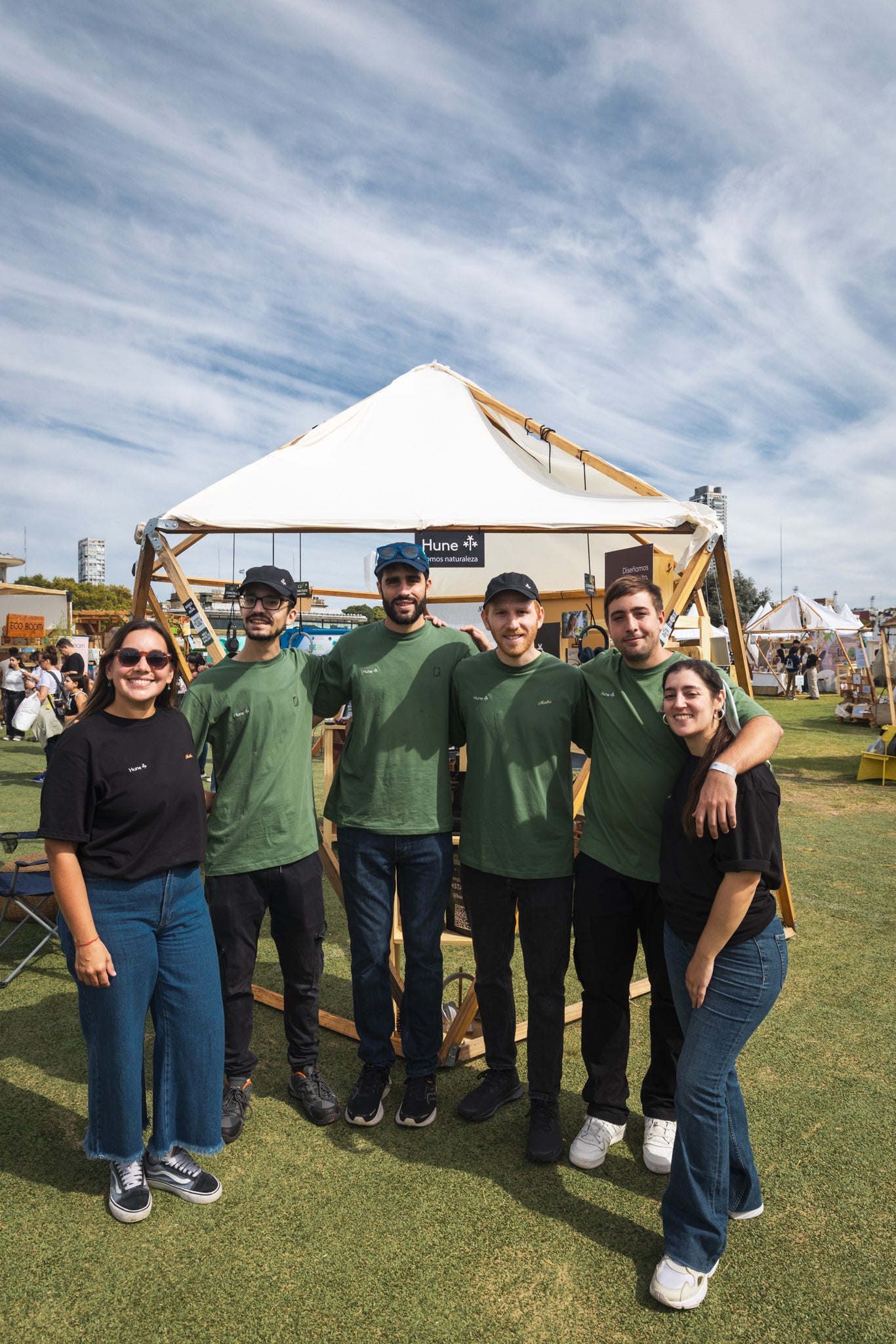
2021
The Proof
Months after officially launching HUNE, Dino was diagnosed with oropharyngeal cancer. Chemotherapy, radiation therapy, months of treatment.
The team continued without him.
That was the real test of the project. If you build from ego, when the ego disappears, everything disappears. If you build from purpose, the project has a life of its own. What for many brands would have been a pause or a closure, for HUNE was the confirmation that purpose was not just talk, it was structure.
Today, in complete remission, Dino leads a brand that has recovered more than 6,500 kg of post-consumer plastic and operates under Climate Label™ certification, actively measuring and offsetting its carbon footprint. The entire operation is supported by IKIKAI's OEM business, which brings products to more than 40,000 points of sale worldwide.
2026
The future is modular and circular
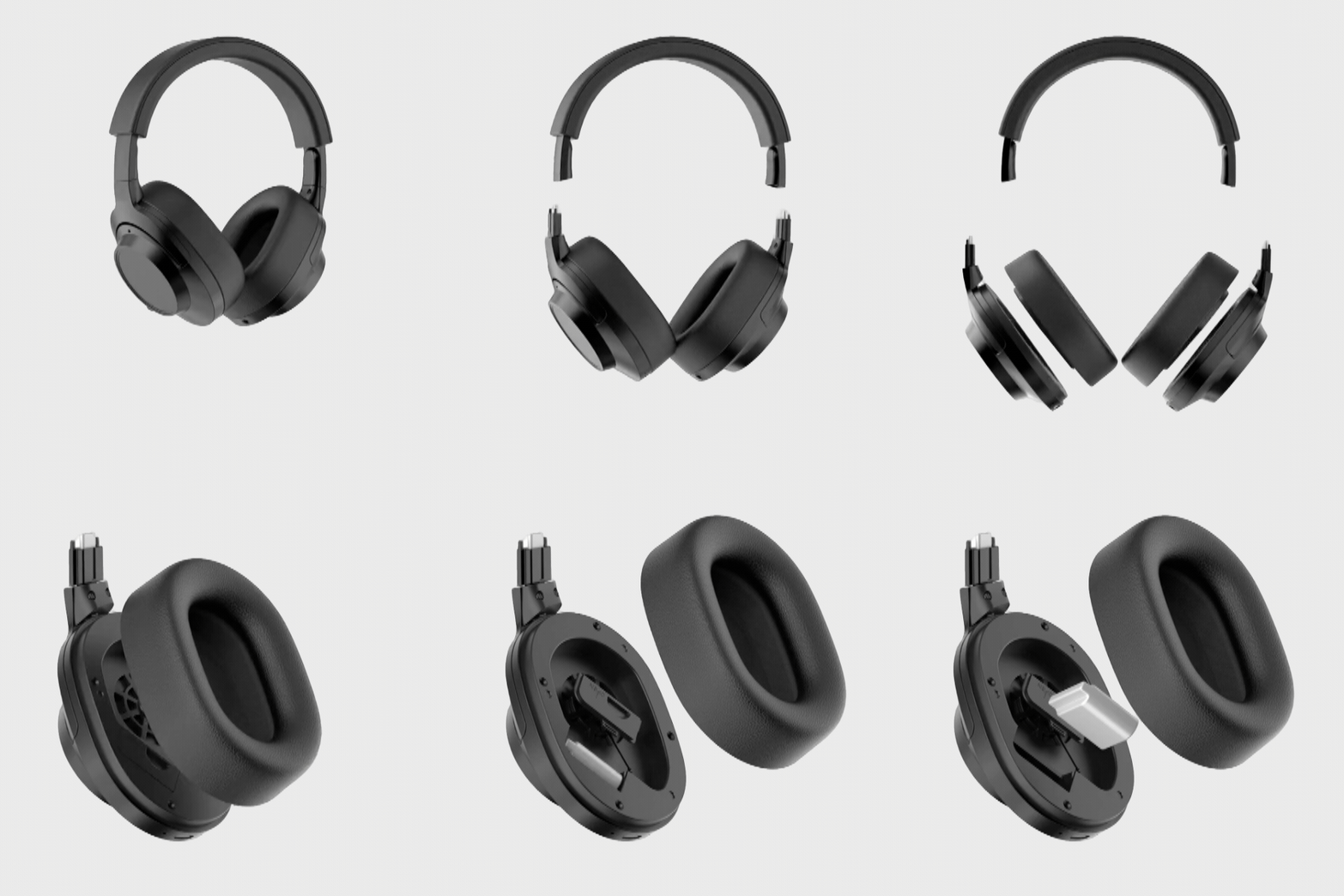
In the face of the sustained increase in global electronic waste, HUNE understood that circularity could not be a distant horizon. It had to be a product standard, now.
In February 2027, the European Union will require all devices to have user-replaceable batteries. HUNE got ahead of the curve: the AURORA™ Modular model is already available with a removable battery, and the entire new range is being developed under the same principle.
What began as a question in the face of a void—"are you happy?"—became a brand that demonstrates that another way of consuming technology is possible. A movement consolidated in Latin America and Europe, which continues to grow under the same idea with which it started:
What I feel, what I think, what I say, and what I do must be aligned.

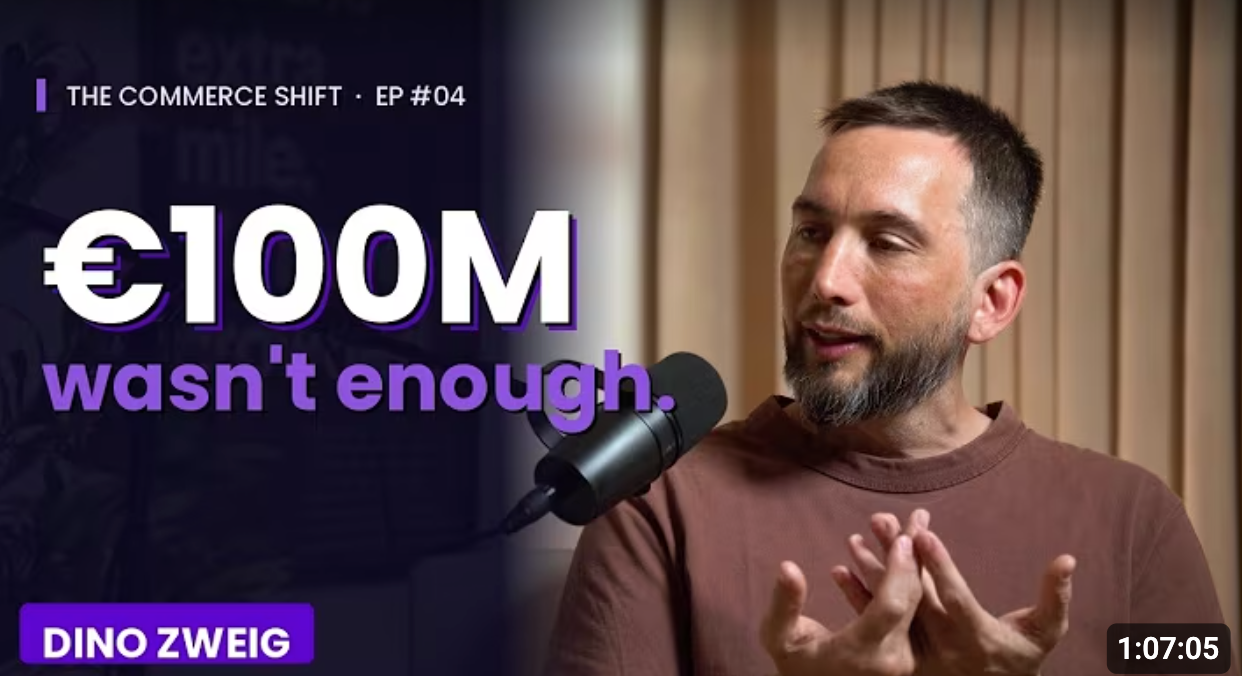
About HUNE's origins
Before HUNE, Dino had built an electronics group with €100M in accumulated sales. Then he left it all behind to start over. In this interview with The Commerce Shift, he explains why — and how it relates to everything you see in this brand. In English, with Spanish subtitles.